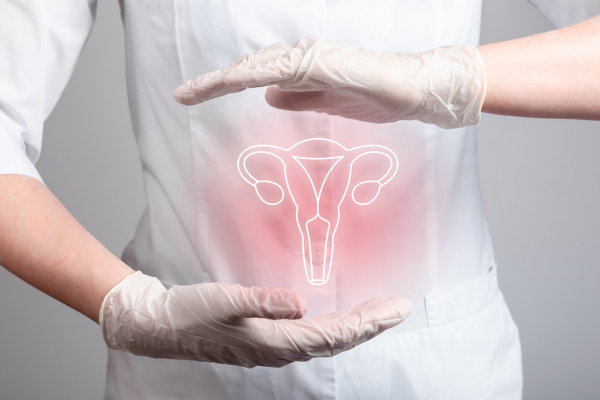
What Is PMOS?
PMOS — Polyendocrine Metabolic Ovarian Syndrome — is a common hormonal condition that affects up to 1 in 10 women of reproductive age. You may have heard it referred to by its previous name, Polycystic Ovary Syndrome (PCOS). The name was updated to better reflect the true nature of the condition: it involves multiple hormonal (endocrine) systems, metabolic health, and ovarian function — not just “cysts” on the ovaries.
Despite the old name “polycystic,” the ovaries do not actually contain true cysts. Instead, they may have many small fluid-filled sacs (follicles) that are visible on ultrasound. Not everyone with PMOS has this finding, and having it alone does not mean you have the condition.
What Are the Symptoms?
PMOS affects each person differently. Common signs and symptoms include:
- Irregular periods — Cycles that are longer than 35 days, fewer than 8 periods per year, or absent periods altogether
- Excess hair growth (hirsutism) — Unwanted hair on the face, chest, back, or abdomen
- Acne — Persistent acne, especially along the jawline and chin
- Hair thinning — Thinning hair on the scalp, similar to male-pattern hair loss
- Weight changes — Difficulty losing weight or unexplained weight gain, particularly around the midsection
- Skin changes — Dark, velvety patches of skin (called acanthosis nigricans), often on the neck, underarms, or groin
- Difficulty getting pregnant — Due to irregular or absent ovulation
- Mood changes — Increased rates of anxiety and depression have been associated with PMOS
You do not need to have all of these symptoms to be diagnosed with PMOS.
How Is PMOS Diagnosed?
A diagnosis of PMOS is typically made when at least two of the following three criteria are present:
- Irregular or absent periods — indicating that ovulation is not occurring regularly
- Signs of excess androgens (male-type hormones) — either visible signs like excess hair growth or acne, or elevated levels detected through blood tests
- Polycystic ovarian morphology — seen on ultrasound or suggested by a blood test called AMH (anti-Müllerian hormone)
Before confirming a diagnosis, your doctor will order blood tests to rule out other conditions that can cause similar symptoms, such as thyroid disorders or adrenal gland problems.
What Causes PMOS?
The exact cause is not fully understood, but several factors play a role:
- Genetics — PMOS tends to run in families
- Insulin resistance — Many people with PMOS have difficulty using insulin efficiently, which can lead to higher blood sugar levels and increased androgen production
- Hormonal imbalance — Higher-than-normal levels of androgens interfere with normal ovulation
- Inflammation — Low-grade chronic inflammation may contribute to the condition
What Are the Long-Term Health Risks?
PMOS is more than a reproductive condition. Without management, it can increase the risk of:
- Type 2 diabetes and prediabetes
- High cholesterol and cardiovascular disease
- High blood pressure
- Sleep apnea
- Endometrial (uterine lining) thickening or cancer, due to prolonged absence of periods
- Anxiety and depression
The good news is that with proper management, these risks can be significantly reduced.
How Is PMOS Treated?
Treatment is tailored to each person’s symptoms, goals, and stage of life. There is no single cure, but many effective options are available.
Lifestyle Changes (First-Line for Everyone)
- A balanced diet rich in whole grains, lean proteins, fruits, and vegetables can help manage insulin levels and weight
- Regular physical activity — at least 150 minutes per week of moderate exercise — has been shown to improve symptoms even without significant weight loss
- Even a modest weight reduction of 5–10% of body weight can restore regular periods and improve hormone levels in those who are overweight
Medications
- Combined oral contraceptive pills — Help regulate periods, reduce acne and excess hair growth, and protect the uterine lining
- Anti-androgen medications (such as spironolactone) — Help with excess hair growth and acne
- Metformin — Helps improve insulin resistance and may help restore regular cycles
- Letrozole or clomiphene — Used to stimulate ovulation when trying to conceive
- Inositol supplements — Some evidence supports the use of myo-inositol for improving insulin sensitivity and ovulation
GLP-1 Medications: An Emerging Option
You may have heard about a newer class of medications called GLP-1 receptor agonists — brand names include Ozempic (semaglutide), Saxenda (liraglutide), Wegovy (semaglutide), and Mounjaro (tirzepatide). These medications were originally developed for type 2 diabetes and weight management, and they are now being studied for their potential benefits in PMOS.
How they work: GLP-1 medications mimic a natural hormone in your body that helps regulate blood sugar, appetite, and metabolism. They are given as a weekly or daily injection.
What the research shows so far:
- Weight loss: Studies in women with PMOS show meaningful weight loss — on average 5–6% of body weight — which is significantly more than with placebo or metformin alone
- Improved insulin resistance: These medications help the body use insulin more effectively, which is a core problem in PMOS
- Hormone improvements: Some studies have shown reductions in male-type hormones (androgens), which may help with symptoms like excess hair growth and acne
- Menstrual regularity and fertility: Early research suggests these medications may help restore regular periods and may improve the chances of natural conception, though more studies are needed
Important things to know about GLP-1 medications and PMOS:
- They are not yet specifically approved for PMOS — your doctor may prescribe them “off-label” based on your individual situation, particularly if you also have obesity or insulin resistance
- Common side effects include nausea, vomiting, and stomach discomfort, which usually improve over time as the dose is gradually increased
- They should not be used during pregnancy or if you are actively trying to conceive, as safety data in pregnancy are limited. Reliable contraception is recommended while taking these medications
- Weight may return after stopping the medication, so your doctor will discuss whether long-term use is appropriate for you
- They tend to work best in combination with lifestyle changes like healthy eating and regular exercise
Not everyone with PMOS needs or is a candidate for GLP-1 medications. Your healthcare provider can help determine whether this option is right for you based on your symptoms, weight, metabolic health, and personal goals.
Cosmetic Treatments
- Laser hair removal or electrolysis for unwanted hair growth
- Topical treatments for acne
Fertility Support
If you are trying to become pregnant, your doctor can discuss ovulation-inducing medications and, if needed, referral to a fertility specialist.
What Should You Expect at Your Appointments?
Your healthcare provider will likely:
- Ask about your menstrual history, symptoms, and family history
- Perform blood tests to check hormone levels, blood sugar, and cholesterol
- Possibly order a pelvic ultrasound
- Discuss your goals — whether that is managing symptoms, preventing long-term complications, or planning a pregnancy
PMOS is a lifelong condition, but it is very manageable. Regular follow-up is important to monitor metabolic health, adjust treatments, and address any new concerns.
When Should You Seek Help?
Contact your healthcare provider if you experience:
- Periods that are consistently irregular, very heavy, or absent
- New or worsening acne or excess hair growth
- Difficulty getting pregnant after 6–12 months of trying
- Symptoms of diabetes such as increased thirst, frequent urination, or unexplained fatigue
- Feelings of anxiety or depression that affect your daily life
Key Takeaways
- PMOS is common, treatable, and not your fault
- Early diagnosis and management can prevent long-term health problems
- Lifestyle changes are powerful and are recommended for everyone with PMOS
- Many effective medications are available — including newer GLP-1 medications for those who may benefit
- Regular follow-up with your healthcare team is important